Puerto Rican Rice: Do You Really Need to Rinse It?
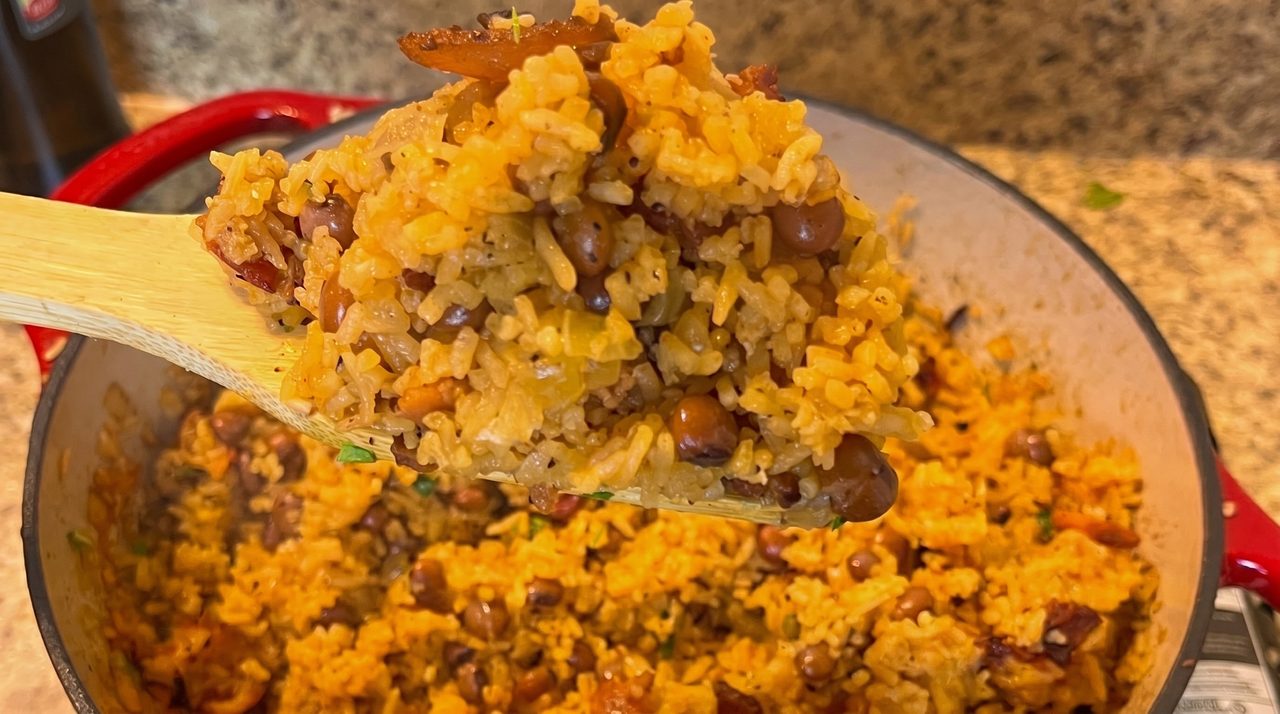
I get some version of "do you actually rinse the rice?" often enough that it's worth answering properly instead of one comment at a time. For my Savory Puerto Rican Rice — arroz con gandules, rice and pigeon peas — the answer is yes, and I mean it specifically: rinse it until the water runs clear, not just a quick splash and drain. That one line covers the most-asked question, but there's more going on in this pot, so let me walk through the whole thing.
Yes, rinse it — until the water actually runs clear
This isn't a "if you feel like it" step for me. The 2 cups of long-grain white rice get rinsed before anything else happens to them, and I don't stop until the water runs clear. It's the kind of instruction that's easy to half-do — a rinse or two and call it done — but "until it runs clear" is the actual bar I hold it to before the rice goes anywhere near the pot.
The onions lose their core, and the bacon does double duty
Before the rice even enters the picture, I cut a cup of onions, making sure to get all the iron — the tough core — off before they go anywhere near the pot. The bacon (about half a cup) goes into the pot with a little olive oil, though the oil is genuinely optional; the bacon renders its own grease as it cooks, so you can leave the oil out entirely if you want. I render that bacon down until it starts to turn brown, then move it to the side of the pan rather than pulling it out, and the minced garlic goes into the space it leaves behind. The onions and garlic sauté together until soft, then everything gets mixed back in as one.
Meat is flexible here the same way the oil is: bacon is my choice, but ham works, and so does leaving meat out of the pot entirely.
Toast the rice for about three minutes before any liquid goes in
Once the rice is rinsed clear, it goes into the pot with everything else — the rendered bacon, the sautéed onion and garlic — and gets stirred for about three minutes until it's lightly toasted. This step happens entirely before any liquid enters the pot; the toasting is the last thing that touches the rice before the broth does.
Broth, pigeon peas, and a seasoning trio, mixed in evenly
After the toast, 2 cups of chicken broth go in (beef broth works too — I used chicken for this one), followed by 2 cups of pigeon peas. Then the seasoning: adobo, cumin, and salt, mixed in until it's spread evenly through the whole pot rather than sitting on top. Once it comes up to a boil, the lid goes on.
Lowest heat, lid on, and stay close
From there it's the lowest temperature the stove will go, lid on, for 10 to 15 minutes. I check on it periodically rather than walking away completely — this isn't a "set it and forget it" simmer, it's a "keep the heat low and stay close" one. It's ready when it's thick, and I served this batch alongside chipotle lime chicken and a sweet cornbread on the side.
Where this sits in my rice-pot rotation
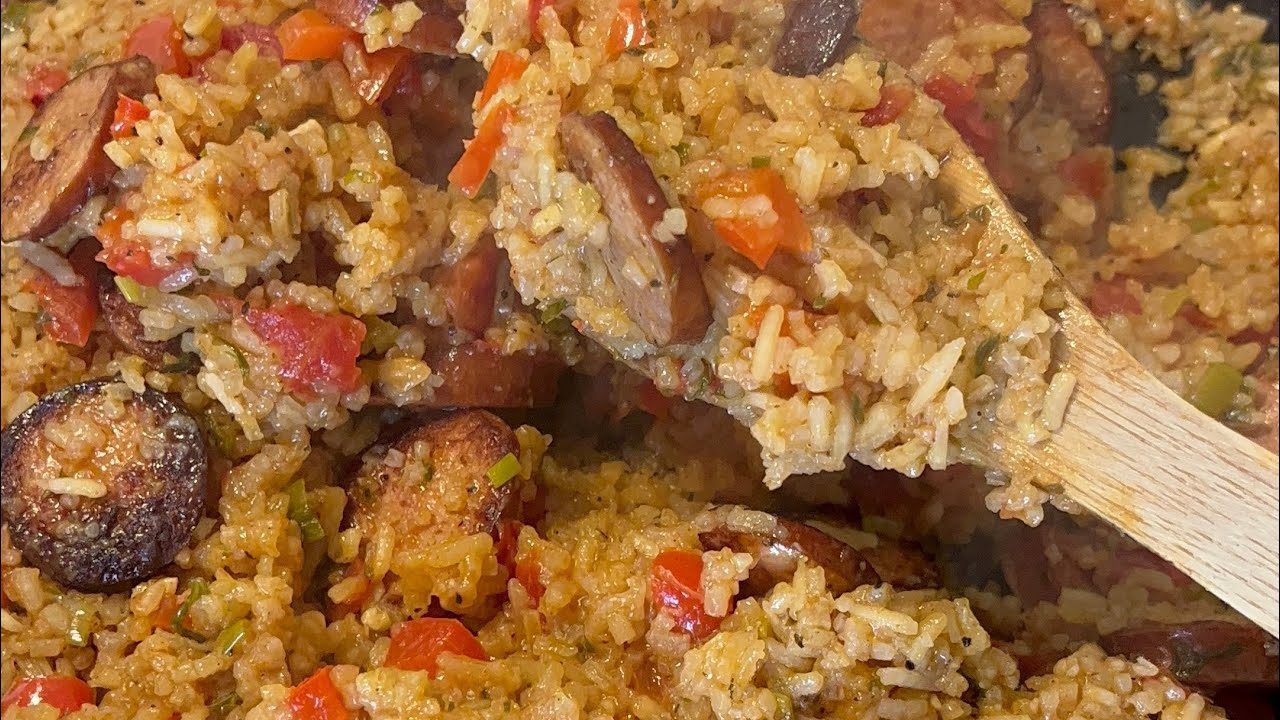
The rinse-until-clear rule isn't unique to this dish. My Cajun sausage and rice skillet calls for the exact same standard — rice rinsed until the water runs clear — before it gets stirred into chicken stock and simmered under a lid. That's a genuine parallel, not a stretch: two different dishes, same non-negotiable step before the rice goes anywhere near heat.
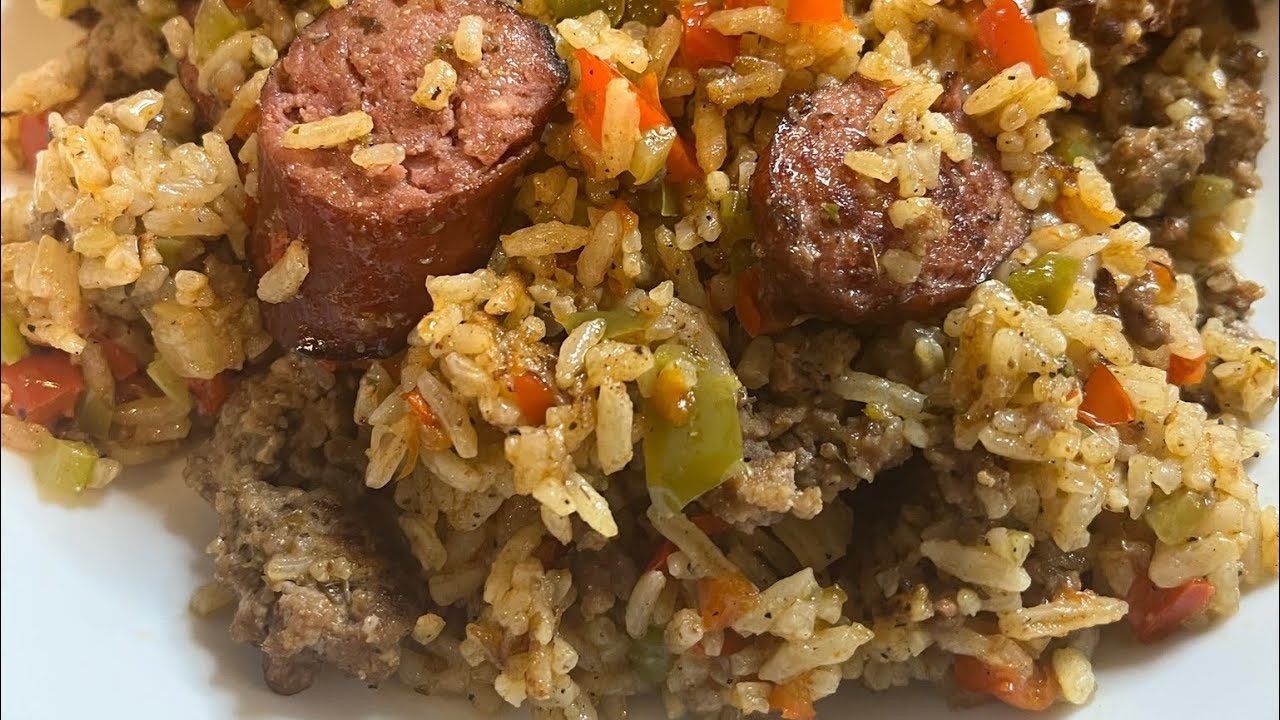
Where this dish stands apart from the rest of my rice lineup is the aromatics. My red beans and rice builds on the classic onion-bell pepper-celery trinity, and my dirty rice runs its own version with red and green bell peppers, celery, and a sweet chili pepper — both stir rice in at the end or serve it alongside a long-simmered pot. This one skips the bell peppers and celery entirely: it's onion and garlic only, with rendered bacon fat doing the work a full trinity does elsewhere. And unlike my egg fried rice, where the rice gets added directly and mixed through a hot wok, this one rinses and toasts raw rice in the pot before any broth goes in at all — the toast-then-simmer approach rather than the stir-and-serve one.
Rinse the rice until it runs clear, toast it for three minutes, keep the heat low once the lid goes on, and check on it instead of walking away. That's the whole method, and it's exactly why the rinsing question keeps coming up in the first place — it's the one step that actually changes how the rest of the dish turns out.