Set It and Forget It: Pot Roast for the Sunday You're Too Busy to Cook
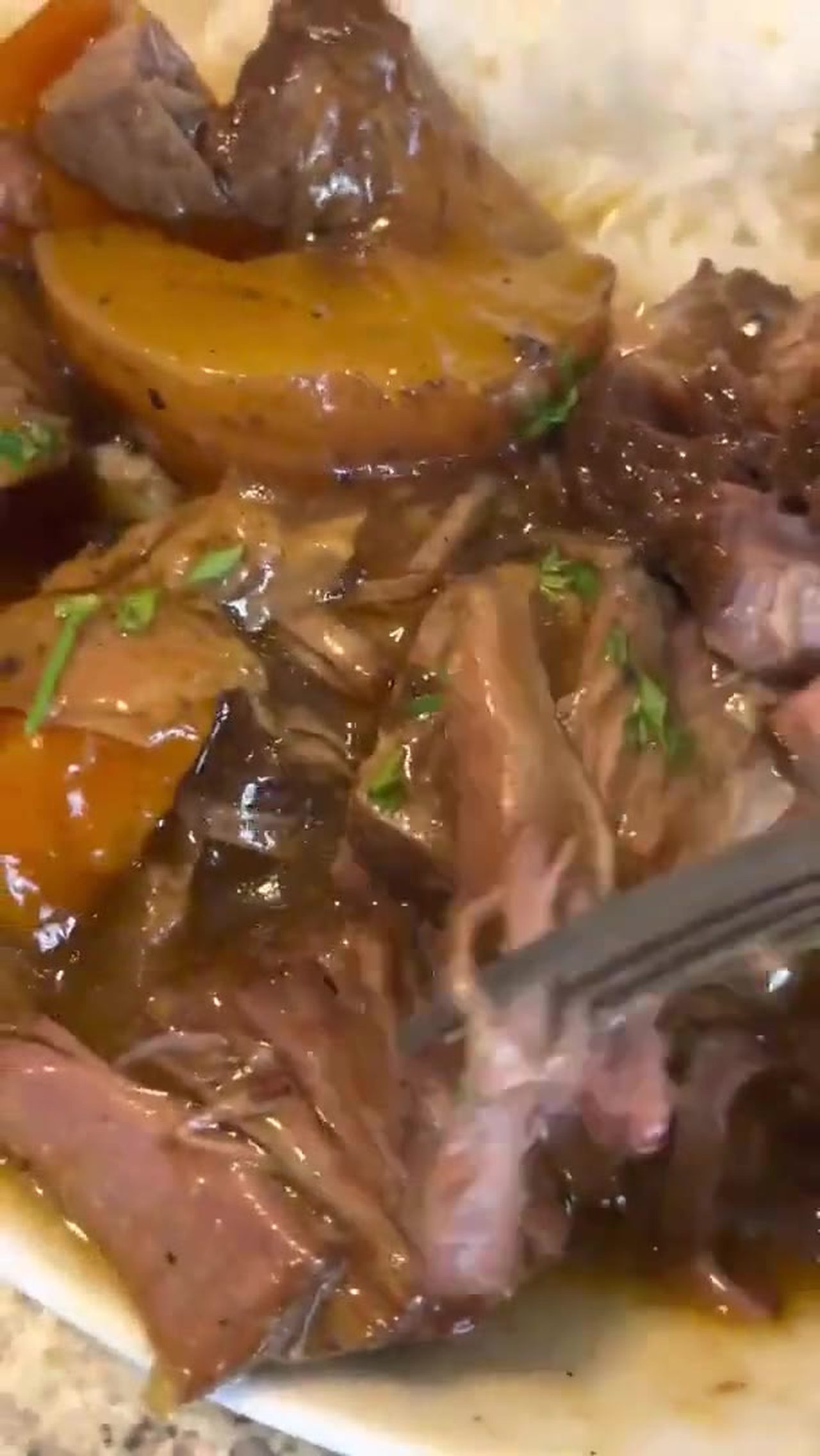
Some Sundays you want to cook. Some Sundays you just want dinner to happen without you standing over it — and a crockpot pot roast with potatoes and carrots is built for exactly that second kind of Sunday. I still do a few things before the lid goes on that make the difference between "fine" and "falling apart, gravy and all," and none of them take more than a few extra minutes.
A seasoning blend that leans sweet on purpose
The rub I use on the chuck roast isn't a straight savory mix. It's two tablespoons of brown sugar against two teaspoons of salt, a teaspoon each of garlic powder, onion powder, and paprika, and half a teaspoon of black pepper — brown sugar is the biggest single measurement in the whole blend. That's not an accident. Mixed together and pressed onto both sides of the roast, it's what turns into a sweet crust against all that savory beef and broth once it sears. Pat the chuck dry first — you don't want moisture sitting on it — then season both sides lightly but evenly, and set the leftover rub aside. You're not done with it yet; it goes to work again later, on the vegetables.
Why the sear happens before the crockpot ever turns on
This is technically a one-pot recipe, but there's a stop in a skillet first. I used bacon grease to sear the roast — four tablespoons of vegetable oil works fine too if you don't have bacon fat rendered out — and let it get hot over medium-high before the chuck goes back in. Two to four minutes a side is the target, just enough to brown it, not cook it through. "You don't want it to burn, but you want it to char" is the whole instruction — a real color change on the outside, nothing more. The roast goes into the crockpot straight off the skillet, still raw in the middle. That's expected; the next five to ten hours handle the rest.
Vegetables go on top, not underneath
Once the seared chuck is in the crockpot, the carrots and potatoes go in next — and they go on top of the meat, not under it. I cut whole carrots into halves or thirds and use baby potatoes, red and yellow both work. Keeping the vegetables sitting on top instead of buried under the roast is a small placement choice, but it's deliberate: it keeps them from turning to mush at the bottom of the pot for five-plus hours while the meat cooks above them. Onions are optional here — add a pound if you want them, skip them if you don't, it really is up to you.
That's also where the reserved seasoning blend comes back in — sprinkled over the vegetables and mixed in — along with two tablespoons of Worcestershire sauce and the thyme. Then comes the broth: three cups, beef or chicken, poured around the pot rather than dumped in one spot. The point of spreading it out is to knock the seasoning off the meat and carry it through the whole pot instead of pooling it in one corner.
High for 5 to 6 hours, low for 8 to 10 — and the cornstarch trick either way
From there it's genuinely hands-off: high heat for five to six hours, or low heat for eight to ten, depending on what your day looks like. The done cue is simple — the roast should be falling apart. If it's still holding together in one piece, it needs more time, full stop.
One thing worth planning for before you start: on the faster, high-heat route, the sauce usually needs help thickening — three tablespoons of cornstarch stirred into a quarter cup of cold water at the end gets it there. Go the slower, low route and you might not need it at all. Either way, keep the cornstarch and water on standby; it's a five-second fix if the gravy comes out thinner than you want.
The oven cousin: same idea, different cut
If you want the same "brown it, then walk away" logic but you don't have a crockpot free, my beef short ribs with lemon and Parmesan pasta runs on a version of the same trick, just in the oven instead of a slow cooker. The short ribs get browned on each side in a hot skillet — browning only, the same "not cooking them all the way, just getting them brown" approach as the pot roast — then go into a covered baking dish with nothing but about half a cup of beef broth and into a 350°F oven for roughly an hour. No basting, no checking every twenty minutes. You pull them out, chop them down, and they go on top of a lemon-Parmesan pasta built while the oven does the work. Different cut of beef, different final dish, same underlying idea: sear hard, add a small amount of liquid, cover it, and let low heat finish what the sear started.
More set-and-forget Sunday dinners
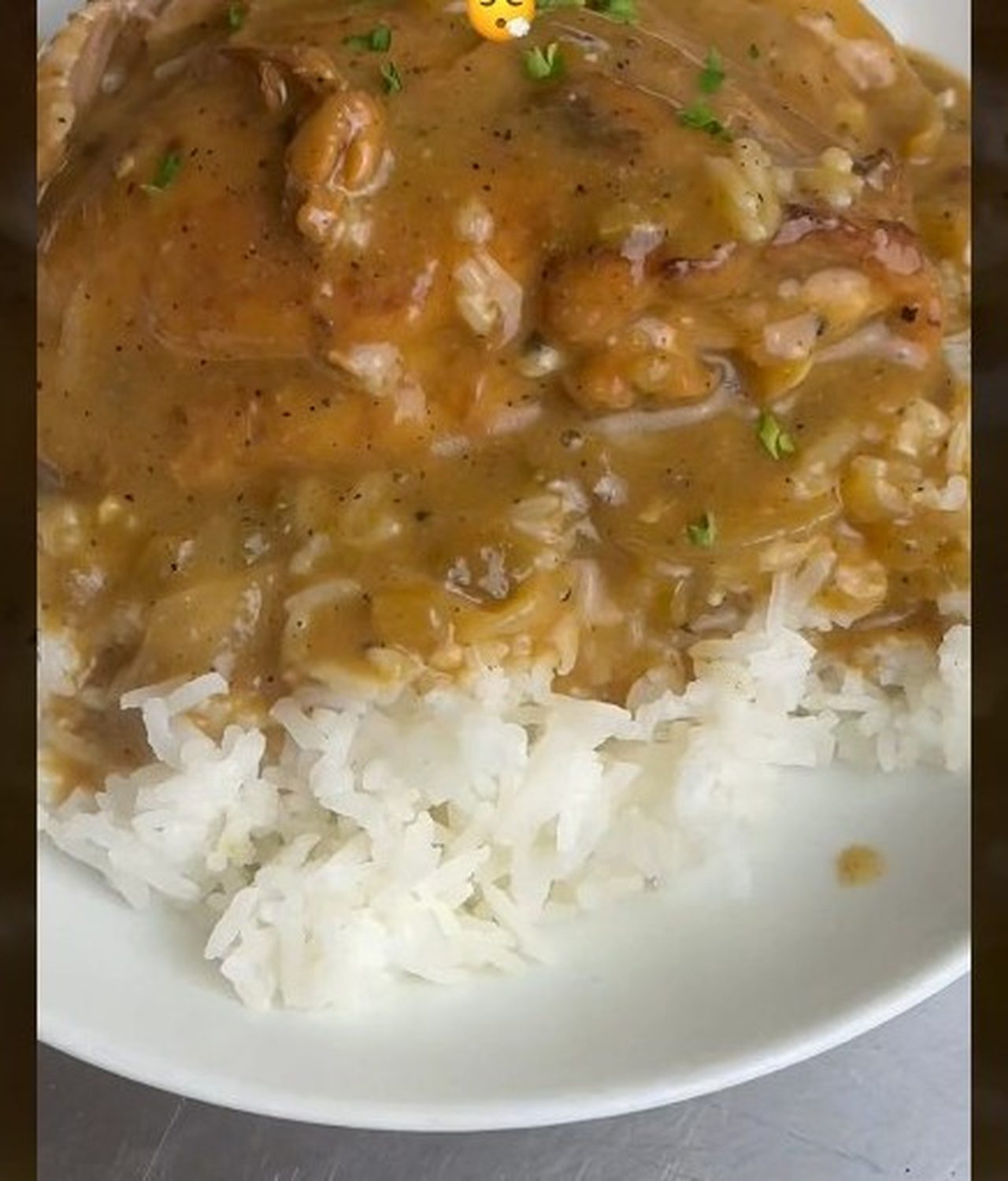
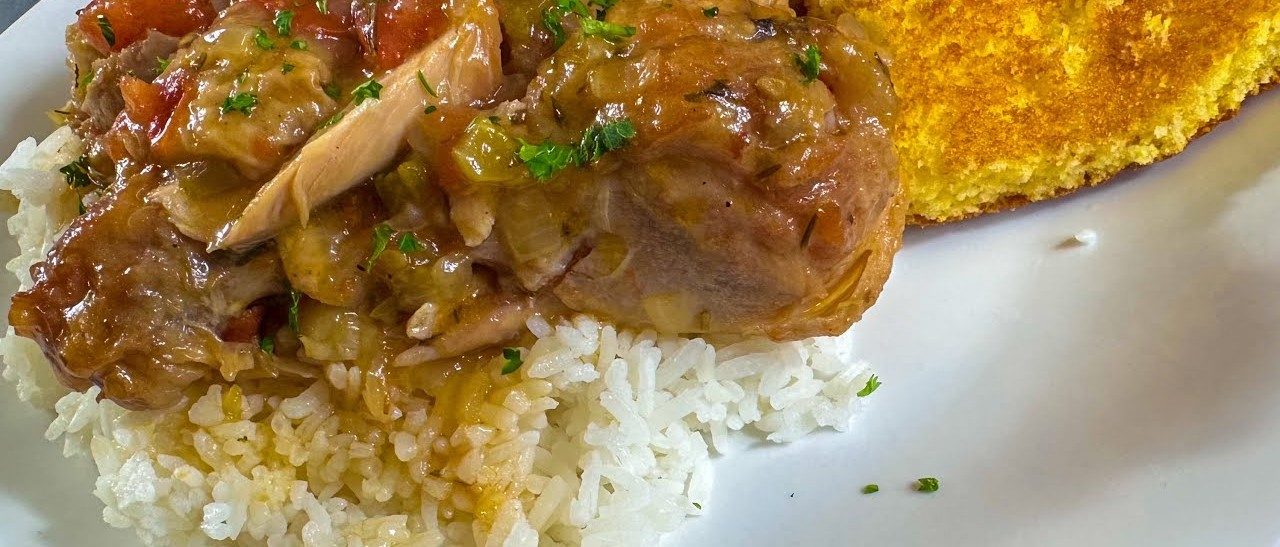
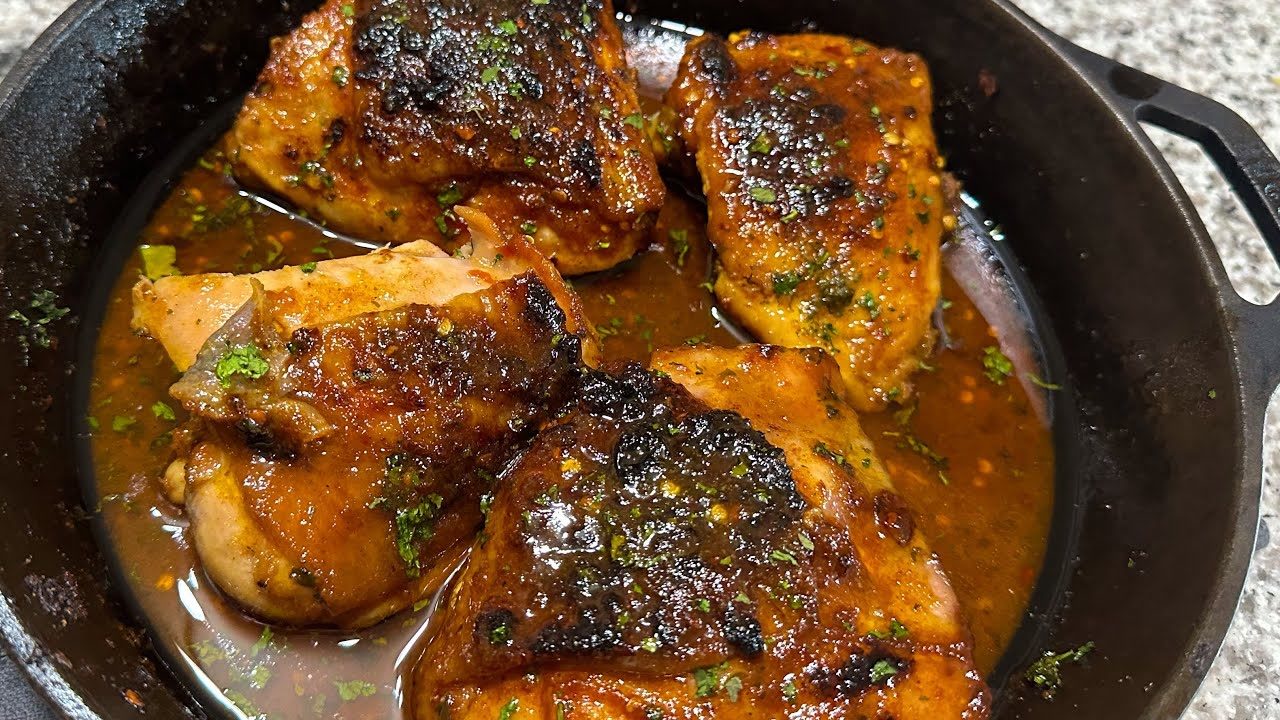
If a pot roast Sunday is your speed, a few other dishes in my rotation run on a similar "start it, then step back" logic. My Southern smothered chicken and rice browns the chicken first — not cooked through, same as the roast — then builds a flour-and-broth gravy in the same skillet before the chicken goes back in to simmer covered for 30 to 35 minutes, thickening on its own by the time the lid comes off. My Creole stew chicken fries eight seasoned, flour-coated drumsticks in a Dutch oven, pulls them out to build a tomato-and-broth base in that same pot, then returns the chicken to simmer low for 45 minutes to an hour — the kind of dish where, once it's in the pot, you genuinely don't have to hover over it. And if the oven is more your speed than the stovetop, Grandma's secret chicken takes skin-on thighs rubbed with a brown sugar and ranch seasoning blend, sears them skin-side down, then finishes hands-off at 425°F for 25 to 30 minutes — foil off halfway through to baste in the pan sauce that collects underneath. Different proteins, different pots, but the same Sunday math: do the browning and seasoning up front, then let the heat do the rest of the work without you.