The $2 Kitchen MVP: Southern Fried Cabbage
A single head of cabbage — cut into quarter strips and cooked with browned smoked beef sausage, a full stick of butter, and just 1/2 cup of liquid — turns into a full skillet dinner. Cook time controls the texture: about 15 minutes on the stove for crisp cabbage, 15 to 20 minutes for softer, using the same brown-the-sausage-then-bring-it-back move that shows up across this kitchen's other sausage-based skillets.
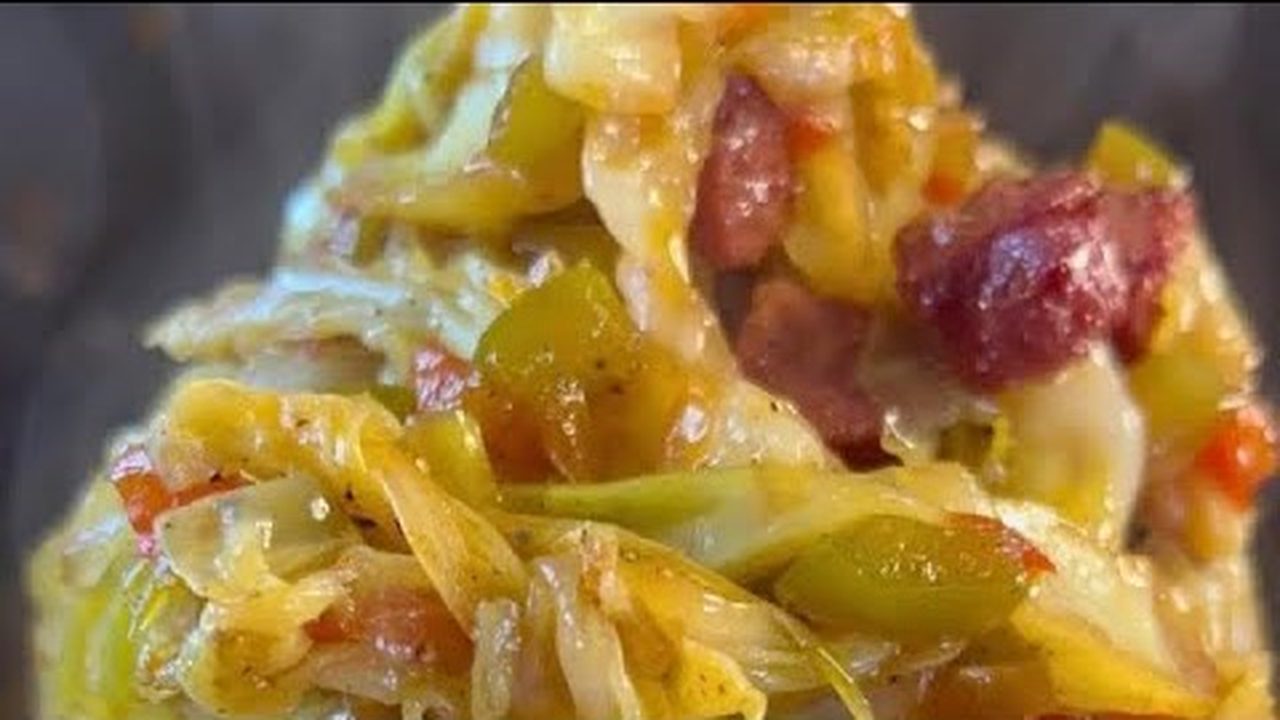
People act surprised when I tell them cabbage is the MVP of my kitchen, but I don't get the shock. A whole head costs next to nothing, it fills a pot the way meat can't, and it does whatever I tell it to do — crisp if I want crisp, soft if I want soft. My fried cabbage with smoked beef sausage is the clearest proof of that, so let me walk you through exactly how I build it, from the produce aisle to the pot.
Wash it, then cut it
First thing, and I mean it every single time: wash the cabbage. It looks clean sitting there wrapped in plastic, but it isn't, and I'm not skipping that step for anybody. Once it's rinsed, I cut the whole head in half, then slice each half down into quarter strips. That's the whole cut — nothing fancy, just consistent strips that'll cook evenly once they hit the pot.
While the cabbage sits, I dice my red bell pepper, green bell pepper, and white onion small, somewhere in the 1/8- to 1/4-inch range. Small dice on the vegetables matters for a reason I'll get to in a second — they need to disappear into the cabbage, not compete with it.
Cut the sausage a little thicker
The smoked beef sausage gets cut into 3/4-inch cubes, and here's the detail I actually care about: I cut those cubes a little thicker than the vegetables — about the size of a nickel. If you dice the sausage as small as the peppers and onion, it gets lost in the pot and you lose that bite. Thicker sausage holds its own texture against everything else going soft around it.
Brown it, then decide
Once the pot's hot, the sausage goes in first and browns. From there I remove it to the side — but that's not a rule, it's a preference. You can brown it and leave it in the pot the whole time if you want; I just prefer cooking things separately and bringing them back together at the end, because it gives me more control over how everything cooks. After the sausage comes out (or stays, your call), the garlic goes into that same pot, then the diced vegetables go back in to sauté for about 3 to 4 minutes before the cabbage gets piled on top.
Yes, one whole stick of butter
Here's where I know some of you are going to raise an eyebrow, so let me say it exactly how I said it on camera: yes, I mean one whole stick of butter. Not a tablespoon, not "to taste" — a full stick, seasoned in with the Creole seasoning, salt, Worcestershire sauce, garlic powder, and brown sugar. It was delicious. Trust me on that one. Cabbage can take a lot of fat and turn it into flavor instead of grease, and this is the dish where I let it.
Only half a cup of liquid — the cabbage does the rest
I add just 1/2 cup of water, or chicken broth if I have it, along with the browned sausage going back in. That's a small amount on purpose. Cabbage releases its own moisture as it cooks down, so I'm not trying to steam it in a pool of broth — I'm just giving it a little help getting started. Add too much and you end up with a watery pot instead of a skillet that tastes concentrated.
The clock controls the texture
From there it's about 15 minutes on the stove if you want it crisp, which is how I like it — not soggy. If you want it softer, let it ride 15 to 20 minutes instead. Same pot, same ingredients, two different dinners depending on when you decide to pull it off the heat. That's the kind of control a $2 vegetable gives you that a $12 protein never will.
The same economy shows up all over my kitchen
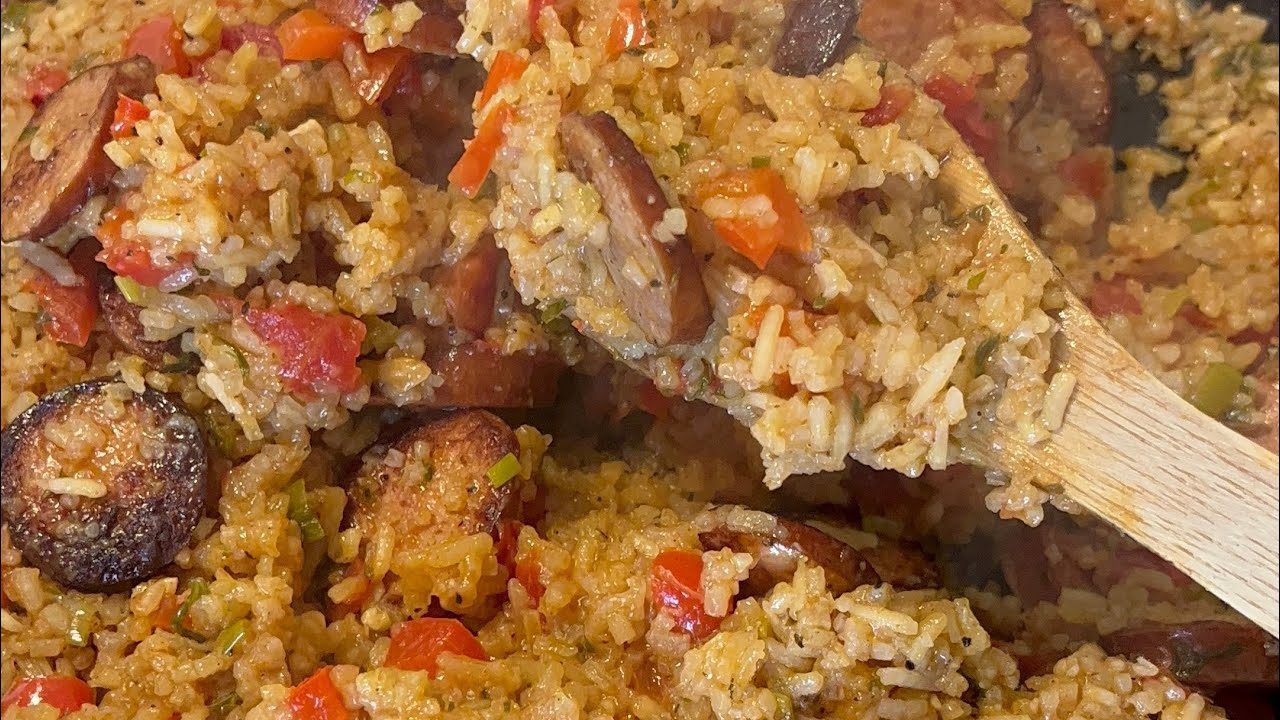
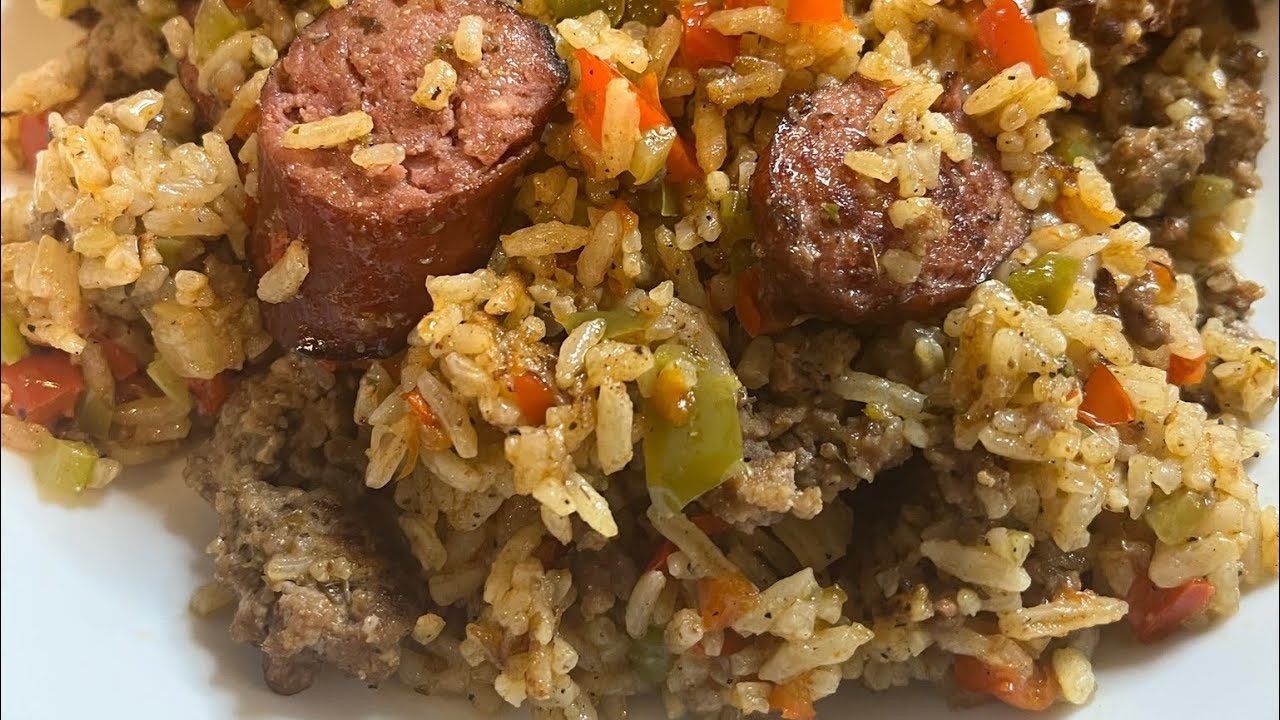
This brown-it-then-bring-it-back move isn't unique to cabbage — it's basically how I run every skillet dinner that starts with sausage. In my Cajun sausage and rice skillet, the andouille gets browned on each side for 3 to 4 minutes and pulled out before I build the rice and vegetables in the same pan, then it comes back in right before everything goes under the lid. My dirty rice runs the identical play with beef sausage: brown it, set it aside, build the pepper-celery-chili trinity and ground beef in that same pot, then reunite the sausage at the end so nothing overcooks. Even my red beans and rice leans on the same instinct in reverse — the andouille gets rendered down first specifically so its fat seasons everything that follows.
It's not a coincidence. Rendering or browning meat first, then building the rest of the dish in that same flavored pot, is how you get a dish that tastes like it took longer than it did. My balsamic bacon Brussels sprouts do a smaller version of the same thing — bacon fried first, then the sprouts cook down in that reserved grease and butter before the bacon comes back in with the balsamic.
The short version
Wash the cabbage. Cut it into quarter strips. Cube the sausage a little thicker than the vegetables so it holds its bite. Brown the sausage, pull it if you want the control, sauté the vegetables in that same pot, pile the cabbage on top, and don't be shy with the butter. Half a cup of liquid is plenty — the cabbage brings the rest. Fifteen minutes for crisp, fifteen to twenty for soft. That's a full dinner out of one $2 vegetable and whatever sausage is already in your fridge.