My Cajun Pantry: The Staples I Use Most
The pantry behind about half the recipes on this site comes down to a short list: Cajun or Creole seasoning blends, the onion-bell pepper-celery trinity, garlic, a high-smoke-point oil paired with flour for roux, and a rotation of rice, chicken stock, and sausage (andouille or chorizo). The habit that ties it together is mise en place — prepping and setting everything aside before the stove goes on, and mixing seasonings into one bowl ahead of time instead of reaching for six jars mid-cook.
If you've watched more than a few of my videos, you already know my pantry. The same Cajun seasoning, the same little piles of diced trinity, the same "place it to the side." That's the system. These are the staples that show up in half the recipes on this site, what each one does, and exactly where you've seen me use them on camera. Nothing on this shelf is fancy.
Cajun and Creole seasoning: the workhorses
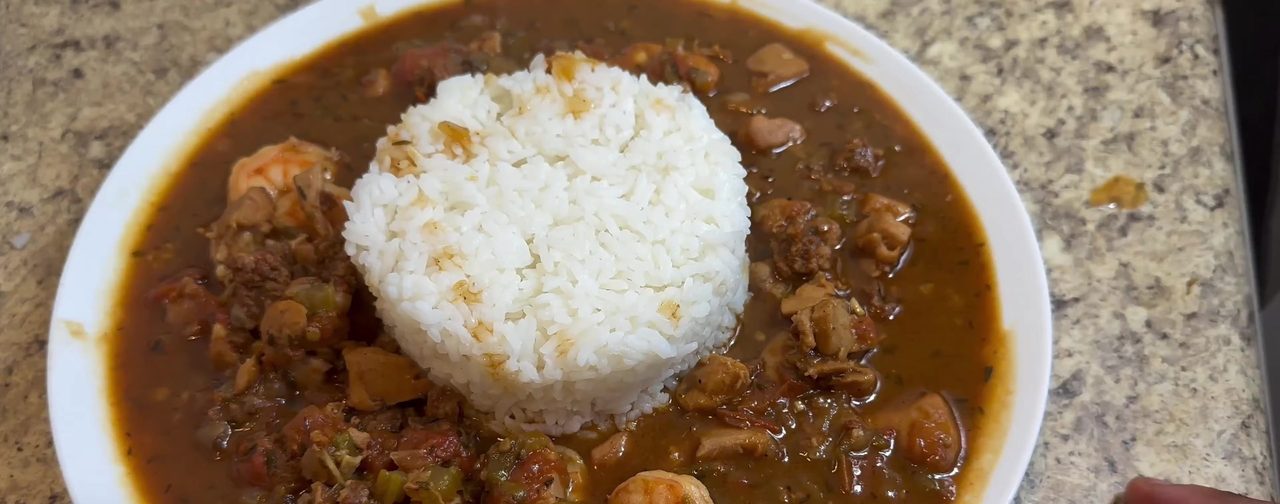
The blend is the backbone. In my Cajun gumbo, the seasoning goes in with the broth stage: Cajun seasoning, dried thyme, and a bay leaf, then salt and black pepper to taste. The description box on that one lists a tablespoon of the Cajun blend and a quarter teaspoon of thyme for two cups of chicken broth, if you want exact numbers.
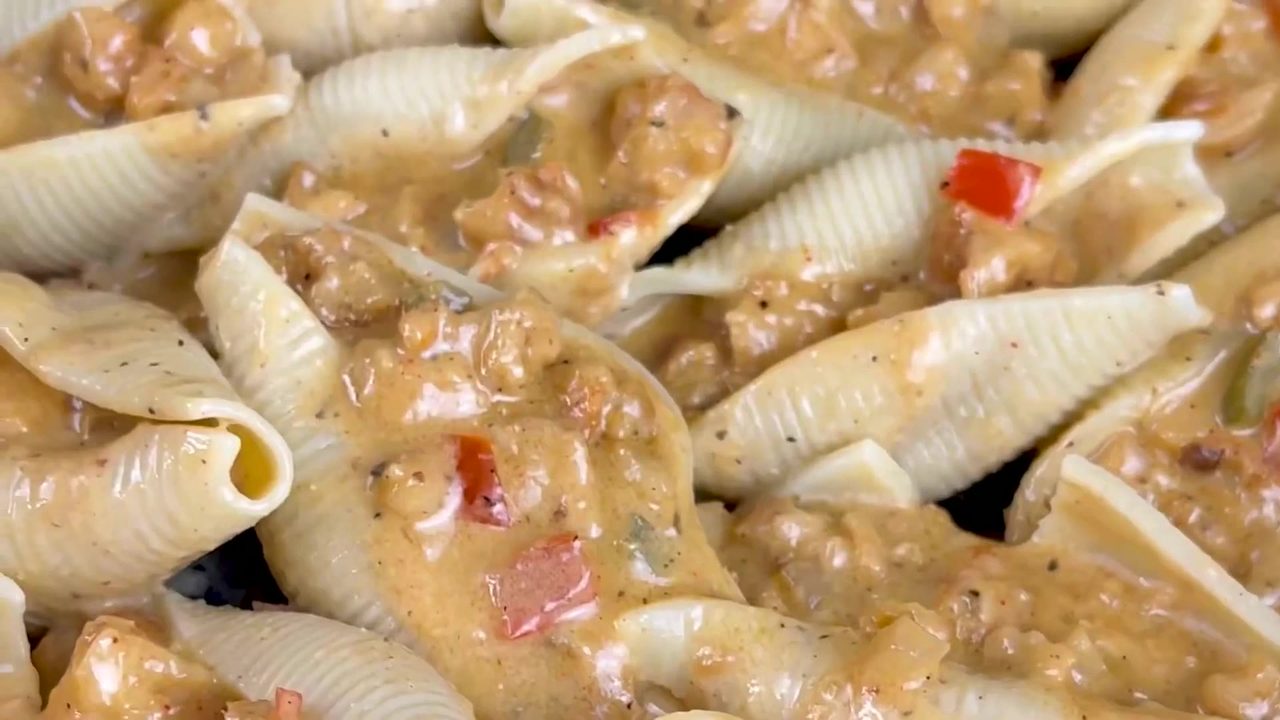
For the Cajun chicken and shrimp stuffed shells, the blend hits the protein first, not the sauce: I season the chicken and shrimp with Slap Your Mama Cajun seasoning, salt, and garlic powder before they ever touch the pan, cook them, chop them, and build the cream sauce around them.
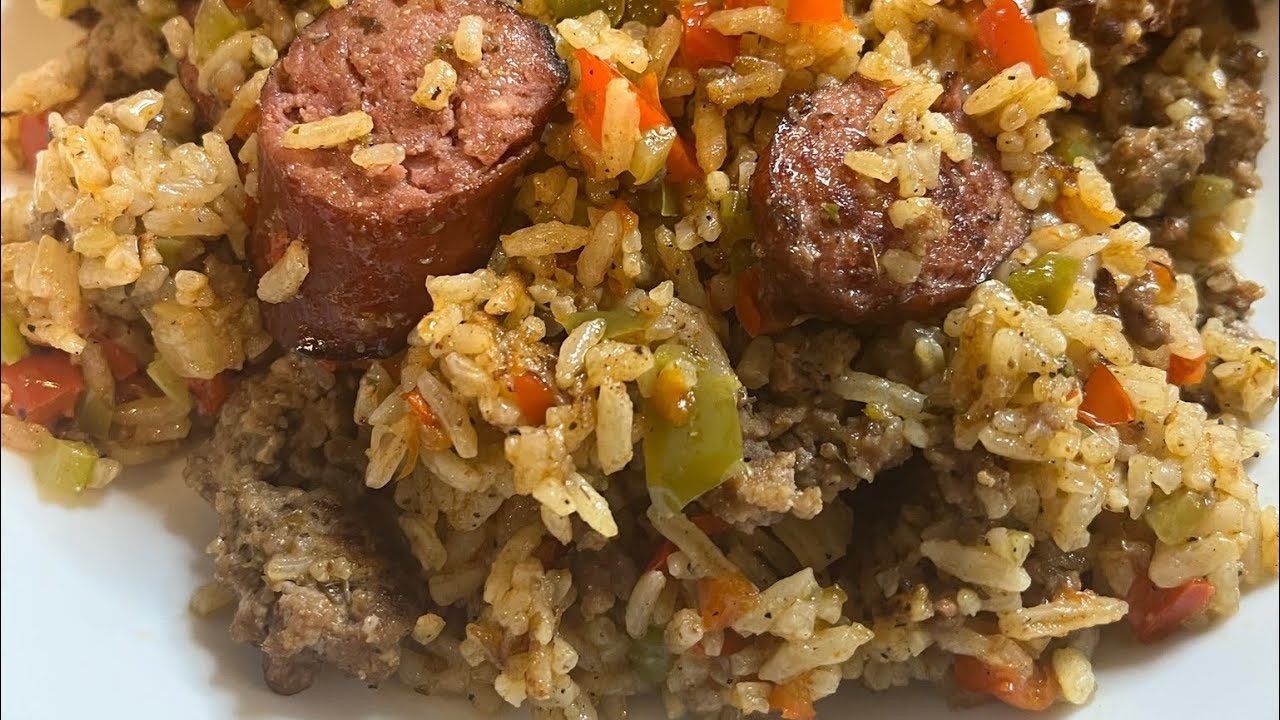
And when the dish leans Creole instead of Cajun, I switch jars. In the chorizo Creole dirty rice it's Creole seasoning plus paprika, salt, and pepper, stirred into the toasted rice until it's evenly blended — seasoning first, then the two cups of chicken stock.
Two habits worth stealing:
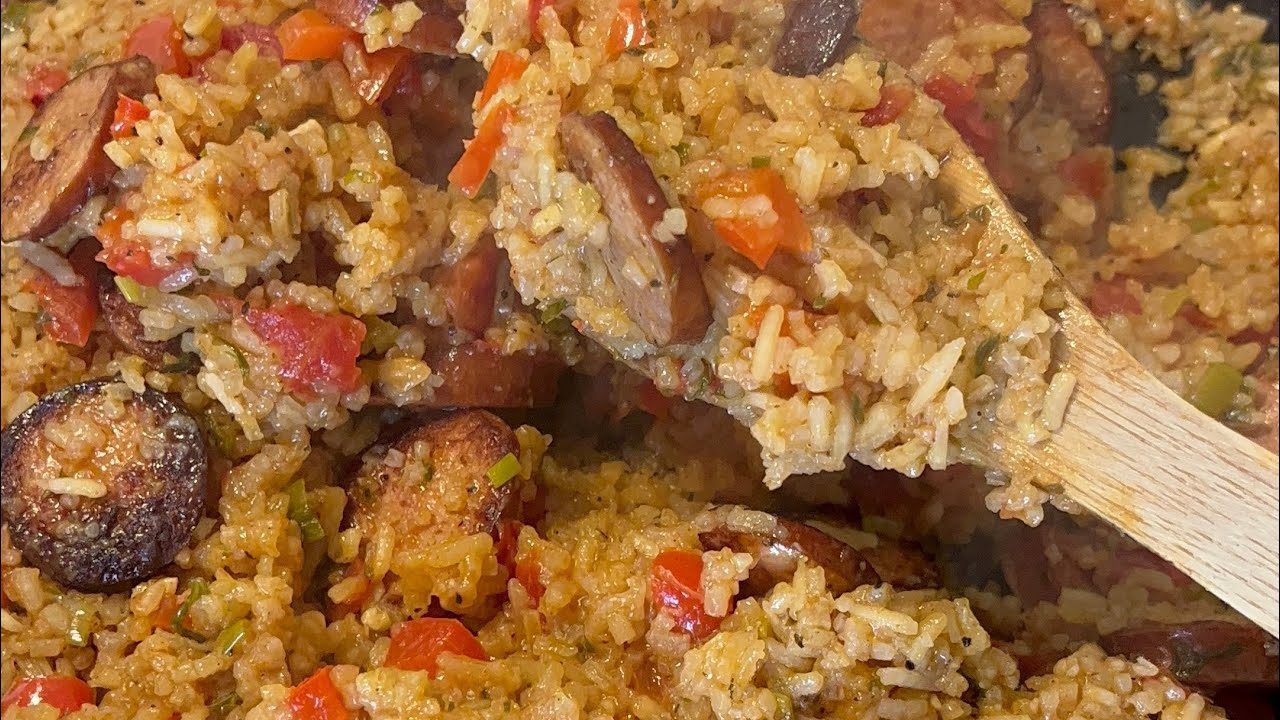
- Mix the blend into one bowl during prep. In the Cajun sausage and rice skillet, I prep all the seasonings into a single bowl and set it aside, so mid-cook it's one dump, not six jar lids.
- Exact amounts live in the caption box. In my dirty rice video I flat out told y'all the seasonings are in the caption box — on camera I season to taste.
The trinity: onion, bell pepper, celery
If Cajun seasoning is the backbone, the trinity is the heart. In red beans and rice I spelled it out: the trinity is onions, bell peppers, and celery — and don't forget the garlic. It goes into the rendered andouille fat and gets mixed in for about 3 to 4 minutes before anything else happens.
The cut matters. For the gumbo I dice the celery into quarter-to-eighth-inch cubes, and the pot gets a 45-minute low simmer to cook it all down. Half a green bell pepper, half an onion, same dice, all prepped and set to the side before the stove ever comes on.
I'll also riff on it. In the dirty rice, my trinity is half a cup of red bell pepper, half a cup of green, half a cup of celery, plus one whole sweet chili pepper broken down — sautéed about 4 minutes before the ground beef goes in. Same idea, different accent.
Garlic, every single time
Fresh when I feel like it, jarred when I don't, but always there. Two cloves minced into the gumbo, going into the roux right alongside the vegetables. Four to five chopped cloves in the sausage rice skillet — or, like I said in that video, about a tablespoon of minced garlic if you don't feel like cutting up fresh cloves. And it sneaks in as garlic powder on the meat in the stuffed shells.
Oil and flour: the roux corner
This is the shelf that makes gumbo gumbo. I use avocado oil — or any oil with a high smoke point that won't burn fast — because a roux means standing over oil and flour on low-medium heat, stirring for 20 to 25 minutes straight until it turns dark brown. I called it the most complicated part of the dish, and I meant it: get this right and it's a smooth sail from there.
One thing I warned about on camera that I'll repeat here: turn off the flame the moment the roux hits dark brown, because it will pop you. The oil gets a little crazy at that stage. Kill the heat, stir in your vegetables, then bring the heat back up.
The quiet extras: thyme, bay, parsley, green onions
These don't get the spotlight, but they're in the rotation constantly. Dried thyme and a bay leaf ride through the gumbo's 45-minute simmer (pull the bay leaf before serving). In the sausage rice skillet, it's two to three green onions sautéed in butter with the garlic, and just a sprinkle of fresh parsley stirred in with the tomatoes — you won't need all the parsley you chopped.
Rice, stock, and the sausage drawer
The starch shelf does heavy lifting:
- Rinse your rice. In the skillet video I said it plain: rinse it really well until the water's clear. Cloudy water means gummy rice.
- Toast it when the dish allows. In the chorizo Creole dirty rice, one cup of long-grain rice toasts in the pan for 4 to 5 minutes before two cups of chicken stock go in — then the whole pot rides in a 400°F oven for 30 to 35 minutes until it's thick and firm.
- Leftover rice is fine. For dirty rice, yesterday's rice or fresh both work — I said so on camera.
Chicken stock or broth is in almost everything: two cups in the gumbo, a cup and a half in the skillet, three to four cups in the red beans.
Then there's the sausage drawer. Andouille goes in the skillet — browned 3 to 4 minutes a side — and in the red beans, where I render the fat down first so the trinity cooks in it. (And yes, I keep saying "andouille" wrong on camera. Y'all get what I'm saying though.) Chorizo covers the gumbo and the Creole dirty rice, and if you're off pork, swap in chicken sausage or whatever sausage you like — I said exactly that in the gumbo video.
How it all comes together
Every one of these dishes starts the same way: prep everything, place it to the side, keep your area clean and you won't have any issues. In the skillet video I called it "meson gloss" — mise en place, everything within arm's reach, working smarter.
A few hard-earned notes from filming these:
- Foil under the lid. One thing I noticed making the sausage rice skillet: a sheet of aluminum foil under the lid keeps the steam and heat in, and the rice cooks a lot more evenly.
- Shock your shells. For the stuffed shells, the jumbo pasta boils exactly 9 minutes, then gets shocked with cold water so it stops cooking before stuffing and baking.
- Beans take patience. Red beans get soaked overnight and refrigerated, then stirred every hour on the stove — after that third hour, I break down the smoked turkey and smash up some of the beans to thicken the pot. When the meat's falling off the bone, they're done.
That's the whole pantry. One blend, one trinity, garlic, a good oil, rice, stock, and sausage — and about half the recipes on this site come straight out of it. Start with the gumbo. The roux will teach you everything else.