How I Build a Southern Swicy Sauce
'Swicy' is sweet and spicy built into one sauce — honey for sweetness, Cajun seasoning or hot sauce for heat, and vinegar or soy sauce for a savory-sour backbone so it doesn't turn into candy. The clearest measured version is the Cajun honey garlic chicken sauce (1 tablespoon apple cider vinegar, 1 tablespoon soy sauce, Cajun seasoning to taste, and 70g of honey, built in the same pan the chicken was seared in), with faster wing-scale versions swapping in hot sauce or oyster sauce depending on the dish.

People keep asking me what "swicy" even means, like it's some new thing I invented. It isn't complicated — it's just sweet and spicy fighting for the same bite, and it's basically how I've been cooking chicken and wings for years without giving it a name. Honey for the sweet, Cajun seasoning or hot sauce for the heat, and a little acid to keep it from turning into candy. Let me walk you through how I actually build that sauce, on the stove and in the air fryer.
The base ratio, as I cook it
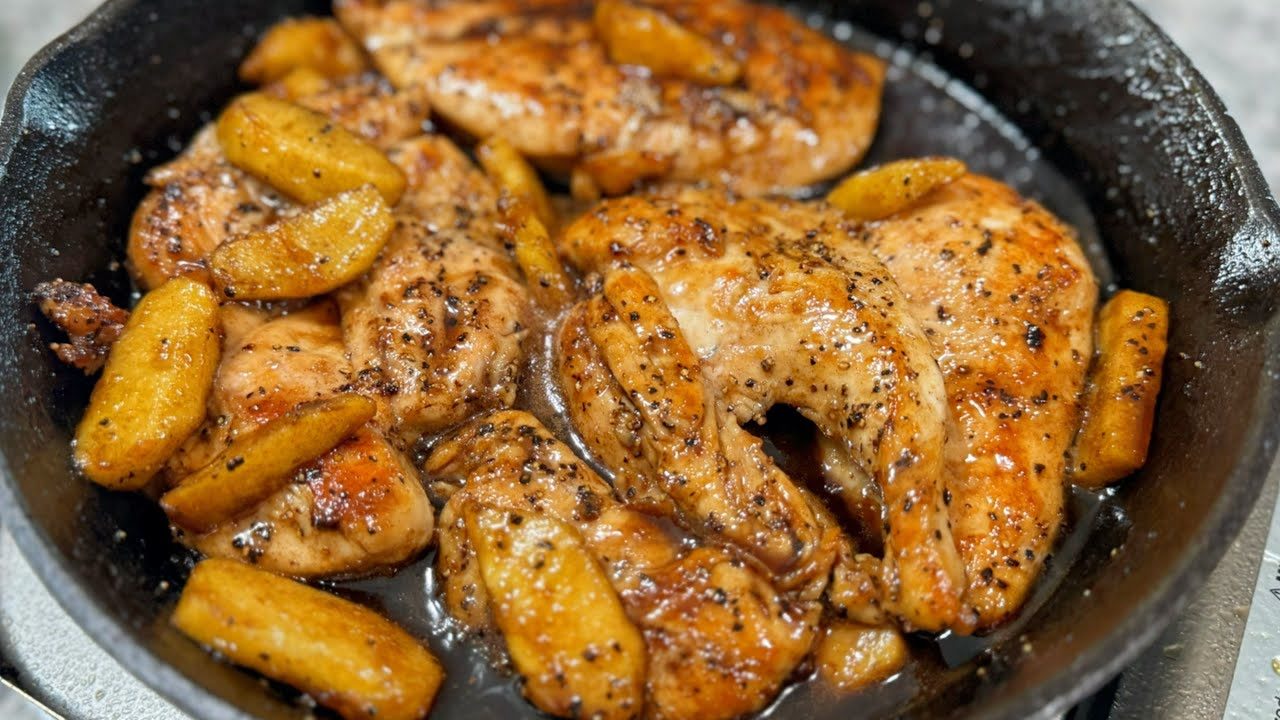
My Cajun honey garlic chicken is the clearest example, because I measure it out on camera. Once the chicken's browned and set aside, I let minced garlic melt into the butter left in the pan for about 2-3 minutes, then build the sauce right there: 1 tablespoon apple cider vinegar, 1 tablespoon soy sauce (scraping up whatever's stuck to the bottom of the pan while I go), Cajun seasoning to taste, and 70 g of honey. That's the whole swicy formula in one skillet — vinegar and soy for savory-sour backbone, honey for sweetness, Cajun seasoning for the heat you can dial up or down.
The Cajun seasoning amount is intentionally loose. I season it "as much as you can handle" and taste as I go, because everybody's heat tolerance is different. What I don't do is guess on the salt. Don't salt the sauce until the chicken goes back in — the salt already on the chicken mixes into the sauce first, and if you season both separately you'll oversalt it.
Why the butter has to stay yellow
Before any of that sauce happens, there's a rule for the sear: keep the heat low enough that the butter never browns before the chicken lands in the pan. Brown butter is a different flavor entirely, and if it scorches before the chicken hits it, the whole glaze builds on a burnt note instead of a clean one. Watch the color, not the clock.
Let it thicken, then let it soak in
Once the honey's stirred in, I let the sauce simmer until it starts to thicken on its own — no cornstarch, no shortcuts, just reduction. Then the chicken goes back in insert-side down (I cut 1-inch slits about halfway into each breast before cooking specifically so the sauce has somewhere to seep into), and it cooks another 2-3 minutes with the sauce spooned over and around it the whole time. That last step is what makes the glaze taste like it's actually inside the chicken instead of just sitting on top of it.
The wing-scale version
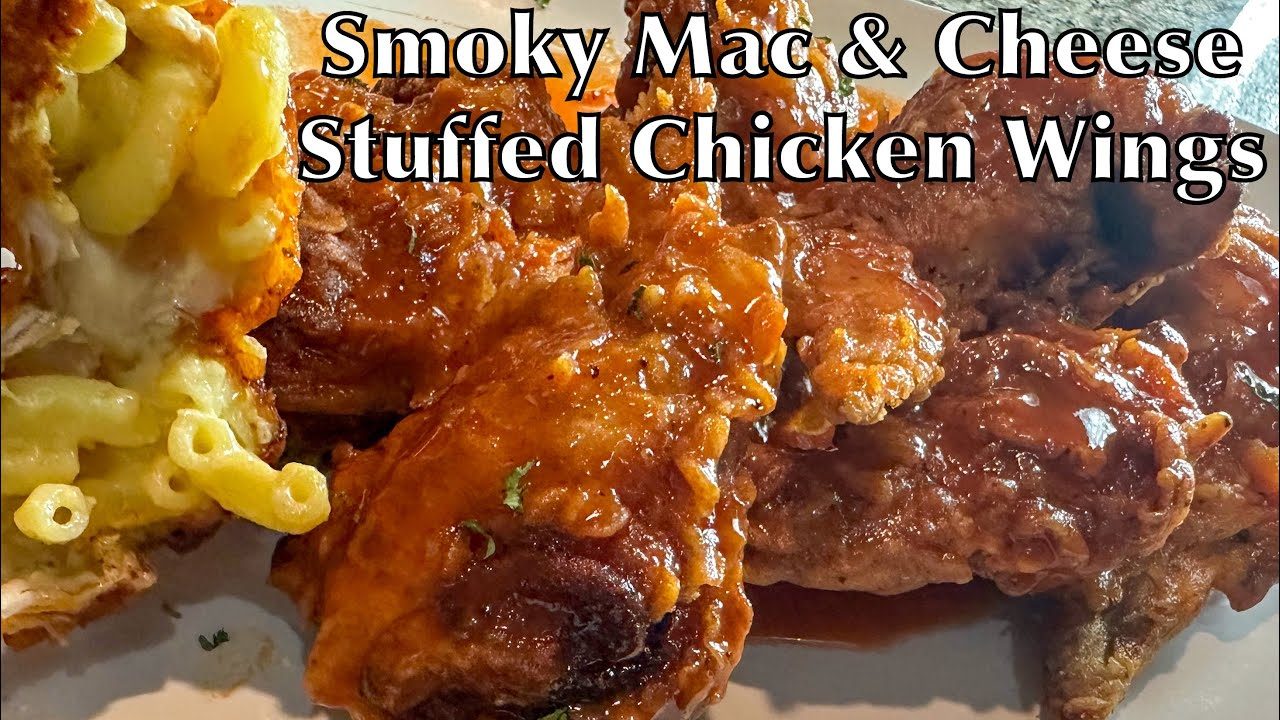
Wings don't need a whole pan-sauce build — they need a fast glaze, because they're usually already fried or air-fried by the time the sauce comes together. For the mac and cheese stuffed wings, the hot honey sauce is about 1/2 cup hot sauce, 1/2 cup honey, and 1 tablespoon butter, combined and microwaved 30-45 seconds until the butter melts and the sauce is hot, then poured straight over the fried wings.
The air fryer honey glazed wings go a different route on the savory side — the marinade leans on cornstarch (which I call "a secret most people don't tell you about" for crisping) plus oyster sauce, then the wings air fry at 400°F for 15-20 minutes, flipped halfway. The glaze itself is butter melted in a pan with garlic, soy glaze, and honey, heated until it loosens up before the wings go in to coat. If you overload the pan with wings and the glaze gets stretched thin, the fix is simple: add a little more soy sauce and a little more honey and keep cooking it in.
Where else the same idea shows up
I use the sweet-heat pairing in more places than just chicken and wings. The flamin' hot cheetos wings build heat from a hot-sauce binder and crushed Cheetos instead of a honey glaze — same sweet/heat tension, different form. And the apple cider glazed chicken swaps the base sweetness from honey to apple cider, which is worth trying if you want the same swicy structure with a lighter fall flavor.
If you want the technique taken up a notch — sweet cream instead of sweet honey, but the same "build the sauce in the fond, don't rush it" instinct — that's basically what's happening in marry me chicken too, just without the heat.
The short version
Sear low enough that the butter stays yellow. Build the sauce in the same pan so nothing goes to waste. Vinegar and soy for backbone, honey for sweet, Cajun seasoning (or hot sauce) for heat, tasted as you go. Salt last, not first. Let it thicken before the protein goes back in, and give it a couple minutes to actually soak in instead of just sitting on top. That's swicy, Southern style — no trend chasing required, just the ratio I've been using all along.